Supporting Emotions and Behavior Through Books

Stories can help children identify and express feelings in healthy and supportive ways

Young children are learning to identify, express, and work through a range of different emotions. These books are a great way to help children identify emotions, consider how different characters feel, and learn ways to calm down when they experience strong emotions.

FEATURED BOOKS - PRESCHOOL

recognizing and describing emotions
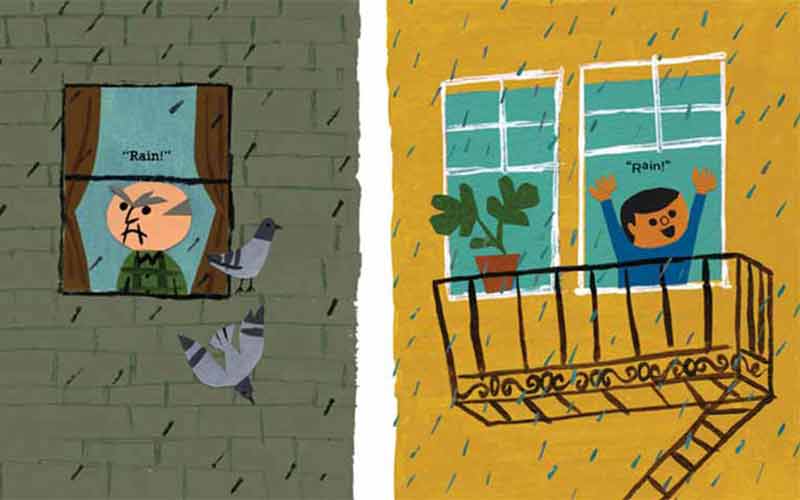
RAIN!

Written by Linda Ashman and illustrated by Christian Robinson, Rain! depicts how two different people feel and act on a rainy day. It offers readers and listeners a chance to label and describe a range of emotions.

managing emotions

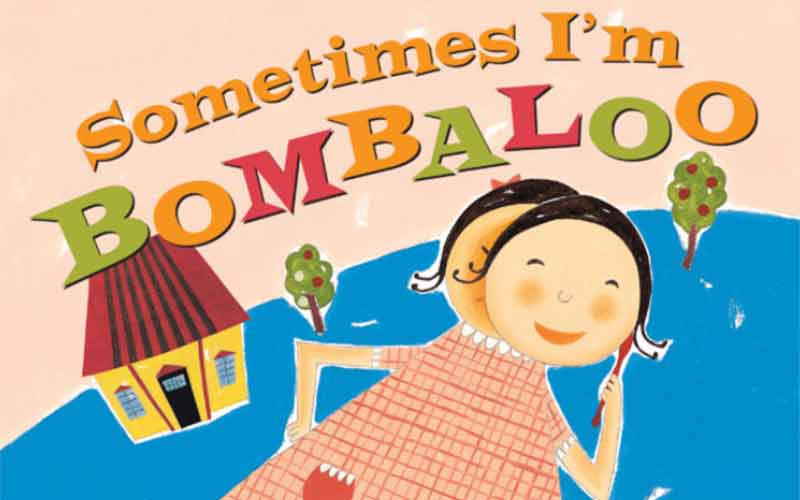
Sometimes I'm Bombaloo

Written by Rachel Vail and illustrated by Yumi Heo, this story follows Katie as she experiences a variety of emotions from happy to “bombaloo” (very angry/upset) to calm and ready to play again. 

Supporting Behavior

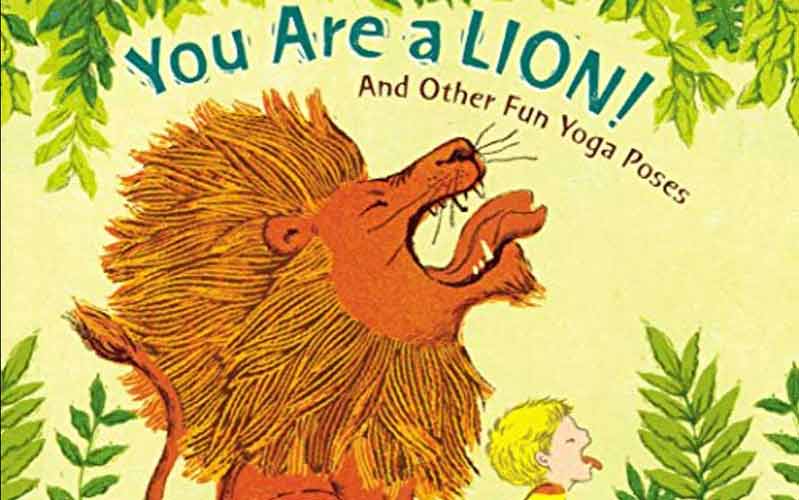
You Are a Lion

Written and illustrated by Taeeun Yoo, this fun story guides children through simple and relaxing animal yoga poses. It promotes flexibility, calm, and focus.

Supporting Behavior

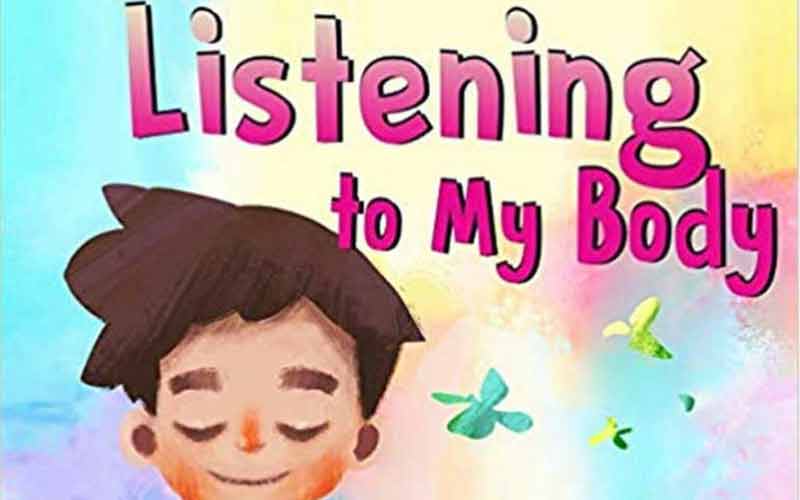
Listening to My Body

Written by Gabi Garcia and illustrated by Ying Hui Tan, this book helps children practice calming down by noticing their bodies’ signals and feelings.

FEATURED BOOKS - INFANT & TODDLER

recognizing and describing emotions

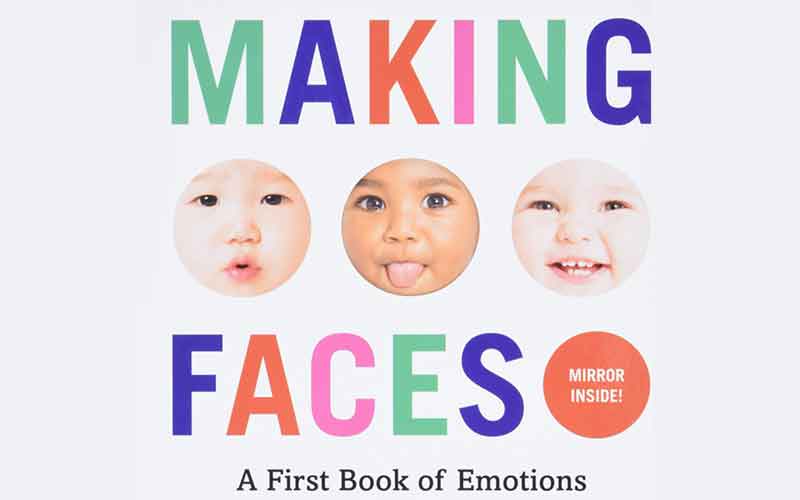
Making Faces

Published by Abrams Appleseed, this interactive board book features simple text and photos of real children to explore five essential emotions.

managing emotions

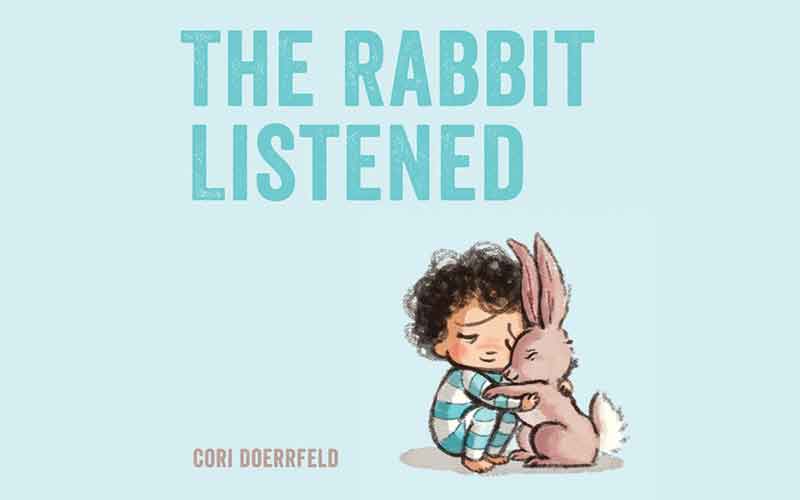
The Rabbit Listened

Written and illustrated by Cori Doerrfeld, this is a beautiful story about a boy who experiences strong emotions and finds comfort and acceptance from a friend.

supporting behavior

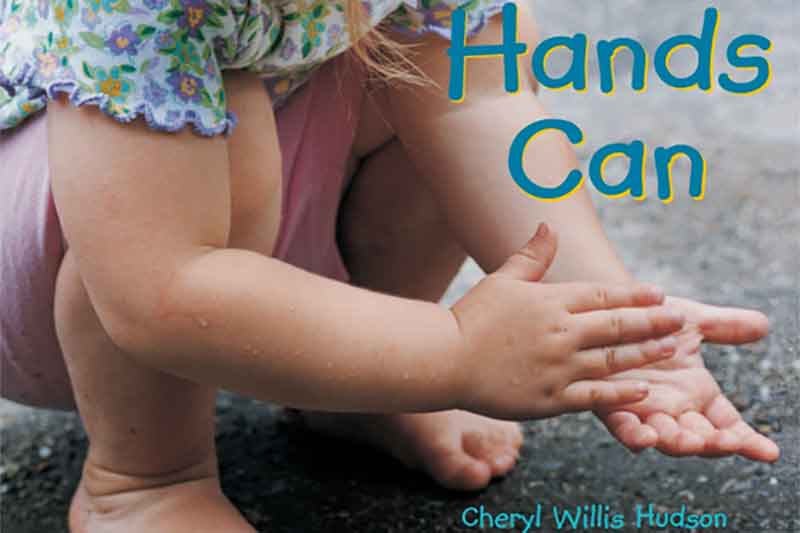
Hands Can

Written by Cheryl Willis Hudson and illustrated by John-Francis Bourke, this book features repetitive text and photographs of real children to highlight positive ways to use our hands.

Key Takeaways

Label emotions

As children learn about a wide range of emotions, they are better able to recognize and describe how they feel. While reading, label and describe characters’ emotions. And encourage children to think about why a character may feel a certain way.

Talk about strong emotions

Young children are just learning how to regulate strong emotions like anger, frustration, and sadness. Educators can prepare children for these feeling by talking about how characters in stories express and handle their strong emotions.

Practice calm down strategies

Children need strategies, practice, and support to calm down when they’re experiencing strong emotions. Educators can prepare children ahead of time by reading books that share effective calm down strategies.